If you have extra circuit breakers, switchgear, transformers, or panelboards sitting in a warehouse in Philadelphia, a job site in Pittsburgh, or a facility in Harrisburg, you are holding equipment that still has real money value. Pennsylvania is one of the busiest states for electrical surplus because of its heavy concentration of steel mills, energy plants, pharmaceutical facilities, and logistics hubs. Sell Electrical Surplus in Oregon industries constantly upgrade and decommission electrical systems, which means there is a steady supply of used equipment entering the market . The problem is that most contractors, facility managers, and demolition crews do not know who buys this equipment or how the selling process actually works. This guide explains everything in plain language so you can turn your surplus into cash without confusion.
Why Pennsylvania Has a Strong Surplus Electrical Market
Pennsylvania’s industrial base is old and massive. Steel plants in the Mon Valley, energy facilities across the Marcellus region, and pharmaceutical operations in the southeast all run on complex electrical systems that get upgraded piece by piece . When a plant replaces a switchgear lineup or a hospital swaps out an aging panelboard, the old equipment does not lose all its value. It becomes inventory for the secondary market.
The key driver is simple. Facilities cannot always buy new replacement parts for older systems. A breaker that fits a 1980s panelboard is no longer manufactured, but the panelboard is still running and still needs protection. That means facilities search the used market for exact replacement models. A breaker sitting in your storage room might be the only one available in the entire state for a facility that needs it to avoid a costly full system upgrade . Pennsylvania’s mix of old infrastructure and constant renovation keeps this cycle moving year after year.
What Types of Equipment Have Real Value
Not everything in your storage room is worth the same amount. Understanding what buyers actually want helps you separate the valuable items from true scrap.
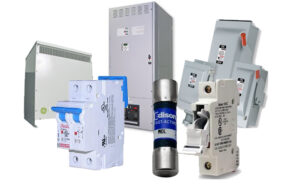
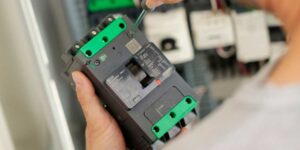
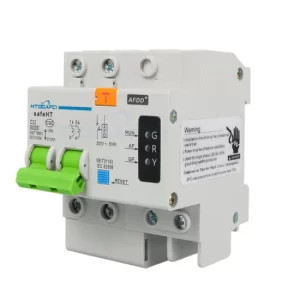
Circuit breakers are the single most-traded item in the surplus electrical market. Molded-case breakers, insulated-case breakers, and low-voltage air breakers from Square D, Eaton, Siemens, GE, ABB, and Westinghouse are always in demand . High-amperage units and obsolete models that are no longer manufactured often command the highest prices because facilities need them for emergency repairs and maintenance.
Switchgear and switchboards are high-value items, especially complete lineups. Low-voltage and medium-voltage switchgear, motor control centers, and distribution panels are worth significantly more than scrap weight. Even individual sections and draw-out breaker buckets have value if they are complete .
Transformers including dry-type, pad-mounted, and oil-filled units are purchased regularly across Pennsylvania . Panelboards, bus plugs, disconnects, and busway are also part of the buying program for most reputable surplus buyers in the state .
The key point is this: if the equipment powered something recently and the nameplate is still readable, it likely has resale value. Do not let a demolition crew toss it into a dumpster.
Scrap Value Versus Resale Value: Know the Difference
This is the most important thing to understand before you sell. A scrap yard pays by the pound for the metal content inside a breaker. That amount is tiny. A heavy breaker worth several hundred dollars on the resale market might bring only a few dollars as scrap .
A specialized electrical surplus buyer pays for the functional resale value of the equipment. That same breaker that a scrap yard undervalues might be exactly what a facility in Allentown needs to avoid a costly panel upgrade. The difference between scrap pricing and resale pricing is enormous. Selling to a scrap yard is almost always leaving money on the table.
The only time scrap makes sense is when a breaker is physically destroyed, the casing is cracked, or the mechanism is visibly damaged beyond use. Even then, it is worth checking with a surplus buyer first because some damaged units still have valuable internal components.
How the Selling Process Works in Pennsylvania
Selling electrical surplus does not need to be complicated. Reputable buyers have made the process simple because they want your equipment and they want repeat business.
Step one is gathering information. Take clear photos of the equipment, especially the nameplate. Write down the brand, model number, amperage rating, voltage, and quantity. You do not need to test anything or clean anything up. Just document what you have .
Step two is sending that information to a buyer. Most companies accept photos and details by text or email. A good buyer will respond with a cash offer, often the same day. The offer is based on current market demand, the condition of the equipment, and how sought-after that specific model is .
Step three is scheduling pickup. Once you accept the offer, the buyer arranges freight and logistics. You do not need to package anything or rent a truck. The buyer handles removal from your Pennsylvania location at no cost to you .
Step four is getting paid. Payment is typically issued quickly via check, wire transfer, or ACH. There are no broker fees or hidden deductions when you work with a direct buyer .
Why Experience Matters When Choosing a Buyer
The Pennsylvania electrical surplus market has plenty of people who claim to be buyers. Some are brokers who take a cut and slow down the process. Others are general scrap dealers who will pay you scrap prices and resell your equipment for a large profit. The difference between a good experience and a bad one comes down to experience.
A buyer with 15+ years of experience in the Pennsylvania and Mid-Atlantic market knows which equipment is in demand. They know that a Square D I-Line panelboard from a Philadelphia facility is worth more than a generic load center. They know that an obsolete GE AKR breaker might be exactly what a building in Pittsburgh needs to avoid a full switchgear replacement . That knowledge translates into fair offers and fast closings.
Trust matters too. A trusted buyer will give you a straight answer about what your equipment is worth. They will not lowball you and hope you do not know better. They will explain why an offer is what it is. They will handle pickup professionally and pay on time. In a market where equipment changes hands quickly, a trustworthy buyer is the one you call again the next time you clear out a warehouse.
Frequently Asked Questions
Can I sell just one breaker? Yes. Most buyers purchase single units as well as full truckloads. A hard-to-find breaker can be just as valuable as a pallet of common ones .
What if the equipment is old or obsolete? Obsolete equipment often has the highest demand because it is no longer available new. Facilities that still run on older systems need those exact parts to keep operating.
Do I need to test the equipment first? No. Buyers evaluate based on brand, model, condition, and market demand. They do not expect you to run tests on every breaker.
What areas of Pennsylvania are served? Reputable buyers serve the entire state, including Philadelphia, Pittsburgh, Allentown, Harrisburg, Erie, Scranton, Reading, and the surrounding industrial corridors .
Final Thoughts
The electrical surplus sitting in your warehouse or on your job site is not waste. It is inventory that other facilities across Pennsylvania need. The secondary market for circuit breakers, switchgear, and transformers is strong, and the process of selling is straightforward when you work with the right buyer.
Sell Circuit Breakers Florida brings 15+ years of hands-on experience to every transaction. We understand the Pennsylvania market, we know what equipment has real value, and we treat every seller with the trust and respect that comes from decades of doing business the right way. Whether you have a single obsolete breaker or an entire decommissioned facility’s worth of switchgear, we are ready to give you a fair offer and handle the logistics from start to finish. Trusted service, direct answers, and fast payment — that is what selling electrical surplus should look like.